I was in some insurance broker training recently and the presenter mentioned that the suicide rate amongst our veterans is as high as 22 per day, perhaps even higher. I thought, “How can this be?” I mean that is roughly 660 veterans per month and 7900 per year. Simple research showed me that the overall suicide rate in America is 132 deaths per day or roughly 4,000 people per month and 47,500 lives lost every year. I can’t wrap my head around the numbers.
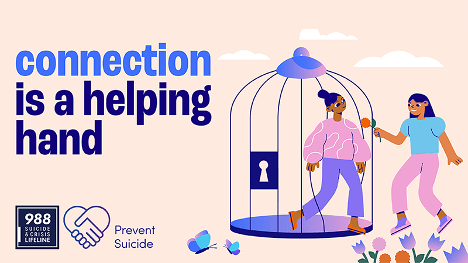
September is Suicide Prevention Month. Every September, Suicide Prevention Month serves as a reminder to open our hearts and minds to a conversation that often remains in the shadows. I thought that I would that I would take some time to post some hopefully lifesaving information.
Breaking the Stigma
One of the greatest barriers to suicide prevention is the stigma surrounding mental health. For many, the fear of judgment prevents them from seeking help. This stigma often leads to silence, and silence can be deadly. By fostering open conversations and educating ourselves, we can create environments where people feel comfortable expressing their pain and asking for help without fear of shame or rejection.
Mental health is just as important as physical health, yet many people still hesitate to talk about it. Suicide Prevention Month encourages us to break this cycle of stigma by normalizing discussions about mental health and seeking treatment. Just as we would treat a broken leg or a chronic illness, we must prioritize care for mental well-being.
Recognizing the Warning Signs
Understanding the warning signs of suicide can be lifesaving. While every individual is different, there are common indicators that someone may be struggling:
- Talking about wanting to die or harm themselves: Expressing feelings of hopelessness or being trapped.
- Withdrawal from friends, family, and activities: A sudden loss of interest in activities they once enjoyed.
- Extreme mood swings: Going from deep depression to sudden calmness or even euphoria.
- Increased substance use: Using drugs or alcohol to cope with emotional pain.
- Giving away belongings or making final arrangements: Signs of someone putting their affairs in order.
- Isolation: Avoiding social interactions or withdrawing from loved ones.
If you notice these signs in someone you care about, it’s essential to take them seriously. It’s better to have an awkward conversation than to regret not speaking up.
How to Help
If you’re concerned about someone’s mental health, here’s how you can help:
- Start a conversation: Reach out and ask how they’re doing. If they seem open, ask directly if they’re considering suicide. Contrary to myth, asking about suicide doesn’t plant the idea in someone’s mind—it shows that you care and are willing to listen without judgment.
- Listen without judgment: Sometimes, what someone needs most is to feel heard. Offer a non-judgmental ear and acknowledge their feelings. You don’t need to have all the answers; simply being there can make a difference.
- Encourage professional help: Suggest they seek support from a therapist, counselor, or helpline. You can offer to help them find resources or even accompany them if they’re comfortable.
- Stay connected: Check in regularly with them. Consistent support can help them feel less isolated.
- Know when to seek emergency help: If someone is in immediate danger, don’t leave them alone. Call emergency services or a crisis helpline to ensure they get the help they need.
The Role of Community in Suicide Prevention
Suicide prevention isn’t just the responsibility of mental health professionals—it’s a community effort. Schools, workplaces, families, and friends all play a vital role in creating environments where people feel supported and valued.
During Suicide Prevention Month, organizations around the world host events, workshops, and campaigns to spread awareness and encourage proactive mental health care. This month-long initiative is a chance for all of us to learn more about mental health, equip ourselves with the tools to help those in crisis, and foster compassion in our communities.
Resources for Suicide Prevention
If you or someone you know is struggling, don’t hesitate to reach out. There are numerous organizations that provide support:
- National Suicide Prevention Lifeline: 988 (available 24/7 in the U.S.)
- Crisis Text Line: Text HOME to 741741 (U.S. and Canada)
- Samaritans: Call 116 123 (UK and Ireland)
- International Association for Suicide Prevention: Find resources in your country at www.iasp.info
Conclusion
Suicide Prevention Month reminds us that we all have a role in saving lives. By breaking the silence, educating ourselves about mental health, and offering a helping hand to those in need, we can work together to prevent suicide and offer hope to those who feel they have none.
Let’s make every month a time for mental health awareness, so no one feels like they have to struggle alone.
Disclaimer. I gathered my information from VA emails and the following websites:
The National Alliance for Mental Illness: Suicide Prevention: Saving Lives Now and Beyond | NAMI: National Alliance on Mental Illness
The 988 Suicide and Crisis Hotline: 988 Lifeline – If you need emotional support, reach out to the national mental health hotline: 988.
and
CDC Suicide Prevention: Suicide Prevention | Suicide Prevention | CDC
The image on this blog is available free from the CDC to help promote awareness.
If you’re a Veteran having thoughts of suicide, or are concerned about a Veteran, contact caring, qualified responders’ day or night for crisis support. Dial 988 then Press 1, chat at VeteransCrisisLine.net/Chat, or text 838255.

 Jack's Blog on Medicare Plan Choices
Leave a comment